Warehouse Automation Systems
Smart warehouse automation for efficient storage, handling, and control.
Our Services
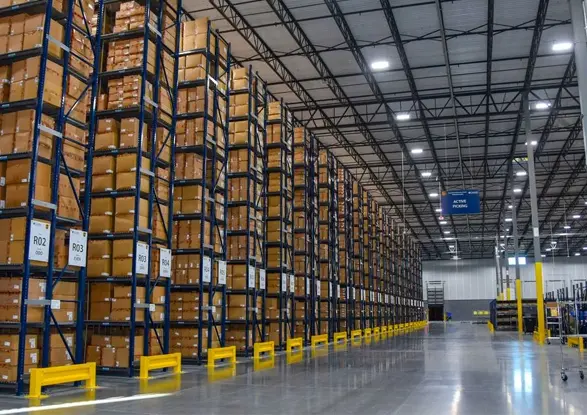
ASRS
ASRS systems automate storage and retrieval to maximize space, improve inventory control, and increase warehouse efficiency.
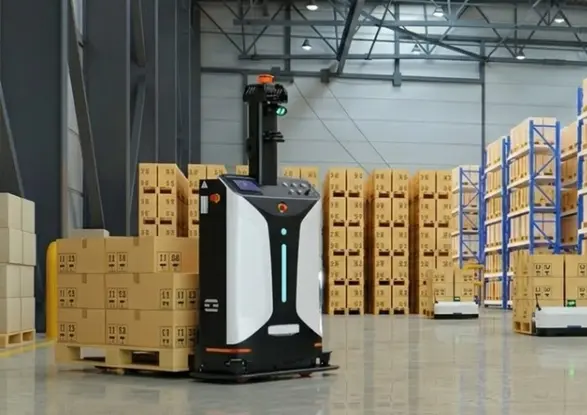
Material Handling
Automated material handling systems move pallets, bins, and cartons efficiently across your warehouse and production flow.
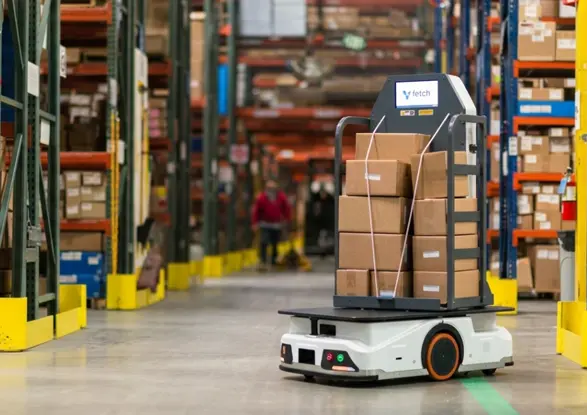
Picking
Sorting systems improve accuracy, increase throughput, and support faster, more efficient order fulfillment.
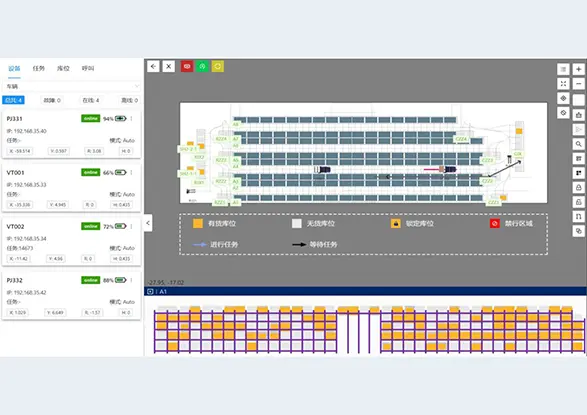
Control Systems
We integrate warehouse control and management systems to coordinate equipment, inventory, and workflows in real time.
Smart Logistics Solutions
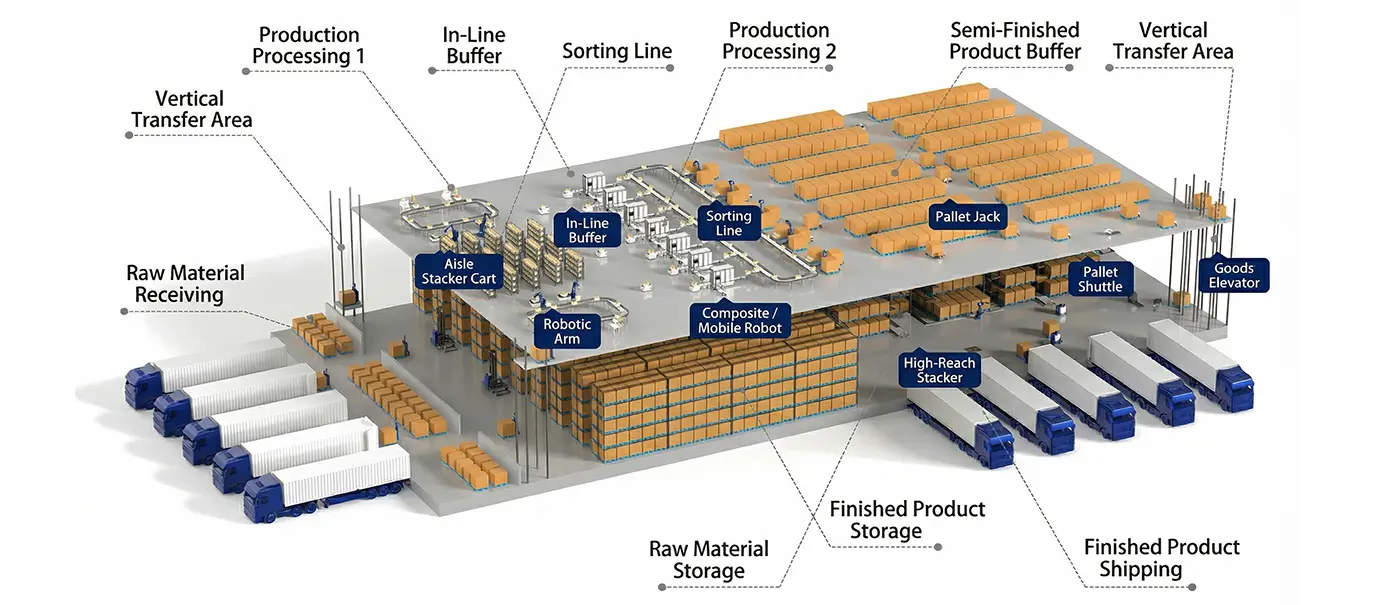
Our flexible warehouse automation solutions combine versatile robot fleets with proprietary control software to maximize space and improve fulfillment speed, accuracy, and throughput.
Automation Projects We’ve Delivered
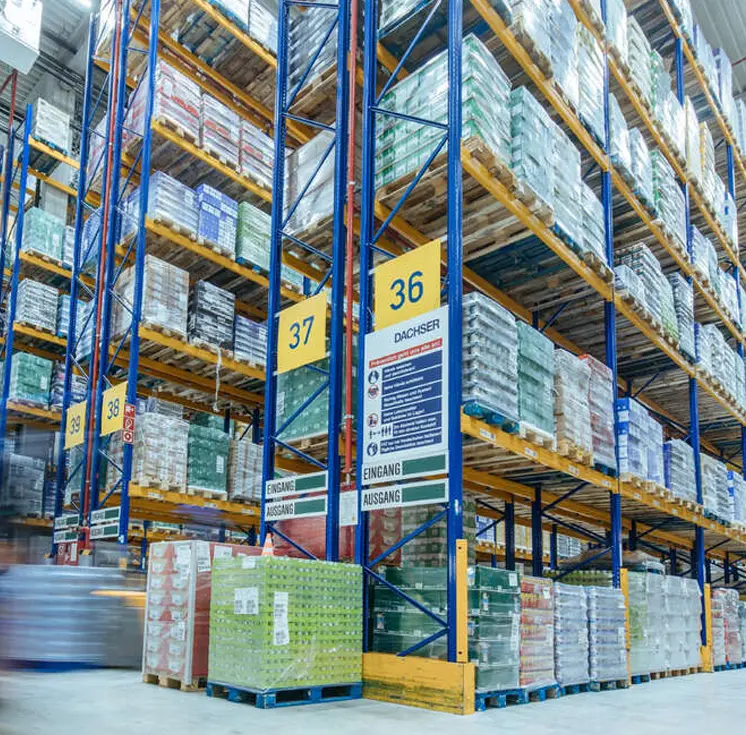
Automated Warehouse Upgrade with ASRS System
This ASRS system upgrades a factory warehouse to automate storage, improve inventory control, and reduce labor with a 3 year payback.
2026 – 4 – 1
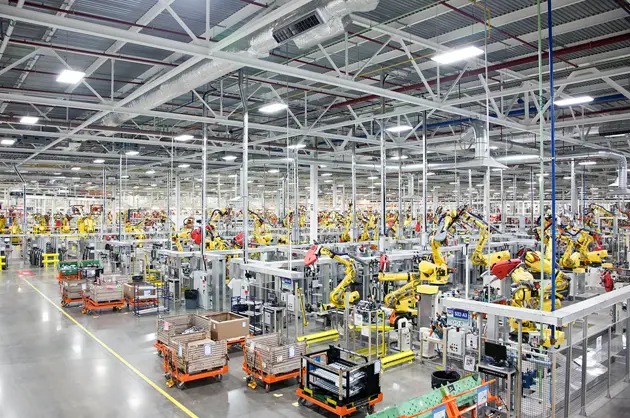
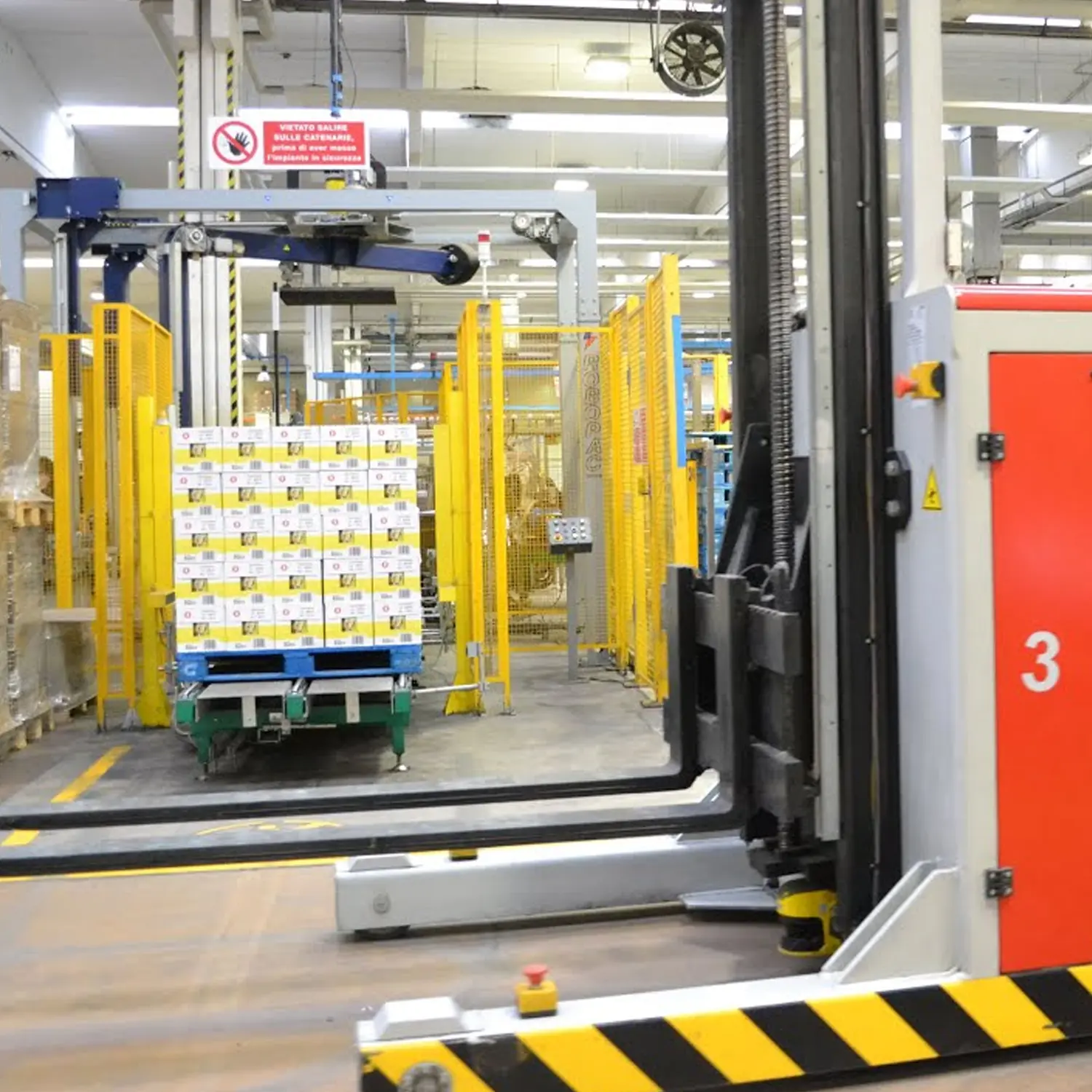
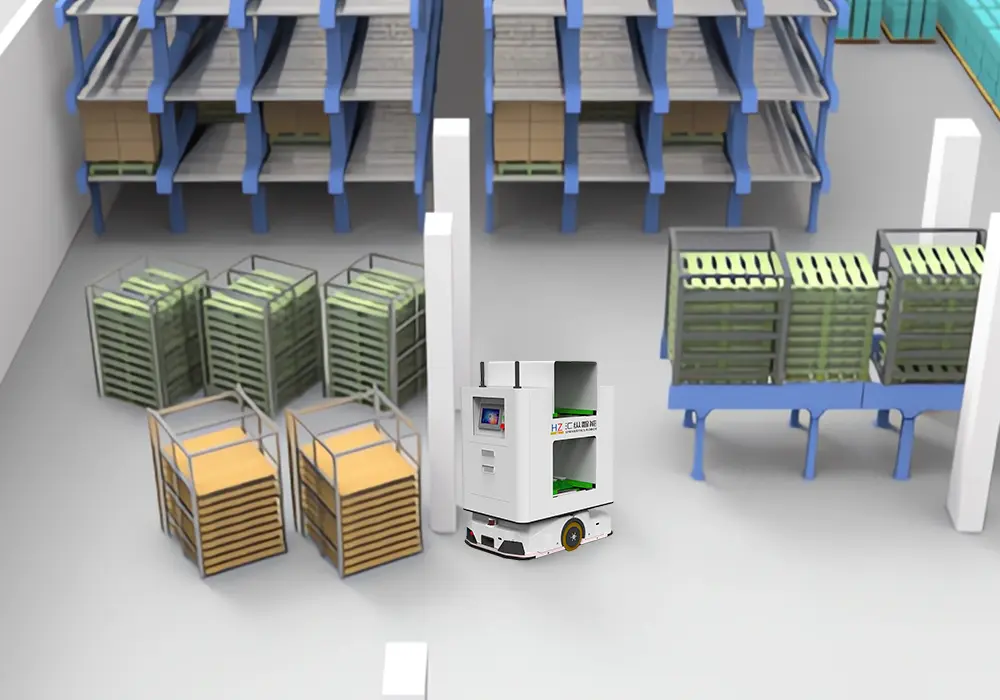
Tailored Warehouse Automation Solutions for Your Operation
We combine ASRS, material handling, and picking technologies to build a warehouse automation system tailored to your operation and improve efficiency.
How We Implement Warehouse Automation
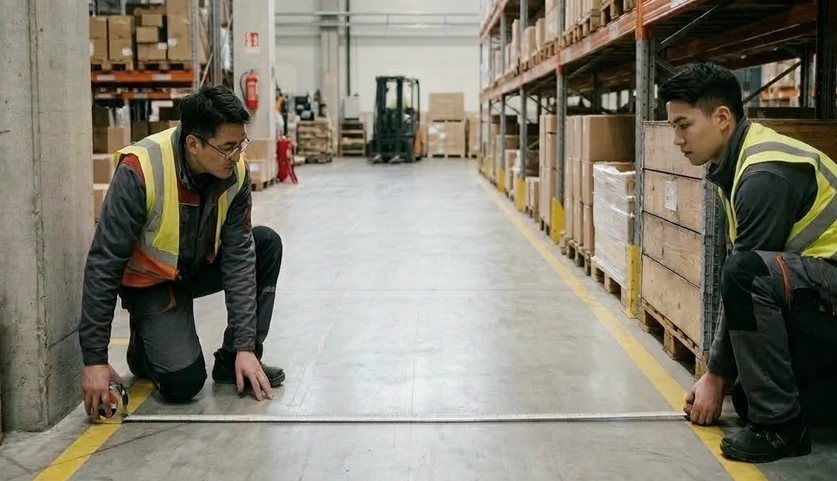
Site Assessment and Requirements Review
Before we design the system, we assess your site to confirm it can support safe, stable warehouse automation.
What we evaluate on site:
Operating environment
We evaluate whether the system will operate indoors or outdoors and whether dust or other site conditions are present, so we can confirm feasibility or adjust the solution to fit the environment.
Site layout and zones
We assess aisle width, floor flatness, space utilization, and coordination points such as elevators to confirm the site can support AGV and AMR operation efficiently and make the best use of available space.
WiFi network readiness
We assess whether the WiFi network provides full coverage across the work area and sufficient stability to support reliable communication between AGVs, robots, and control systems.
Load and carrier details
We assess the size, weight, and handling characteristics of the load, as well as the type and dimensions of pallets, bins, carts, or other carriers, to ensure the right automation approach.
Product data
We analyze SKU types, product specifications, and inbound and outbound volumes to understand material flow patterns and determine the required system capacity.
Building constraints (for multi story sites)
We assess floor height and slab thickness to confirm the allowable ASRS height, floor load capacity, and whether the structure can support AGVs and loaded materials safely.
Step 1 outcomes and requirements:
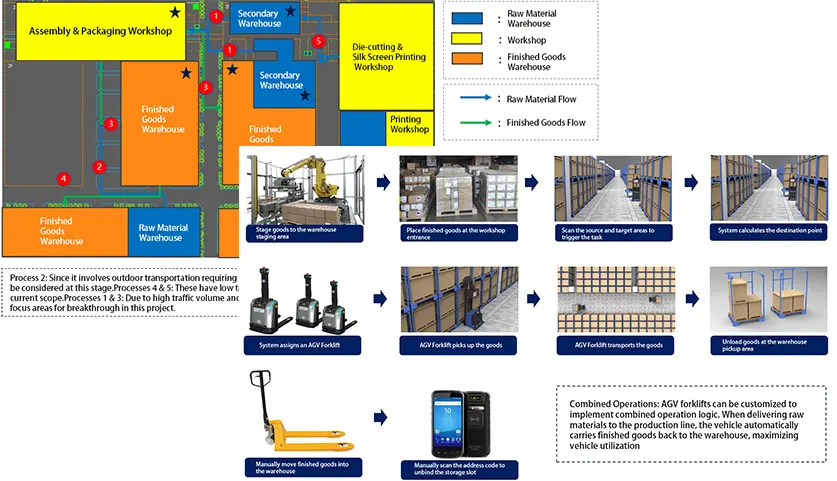
Solution Development
Your solution may include:
What you will receive:
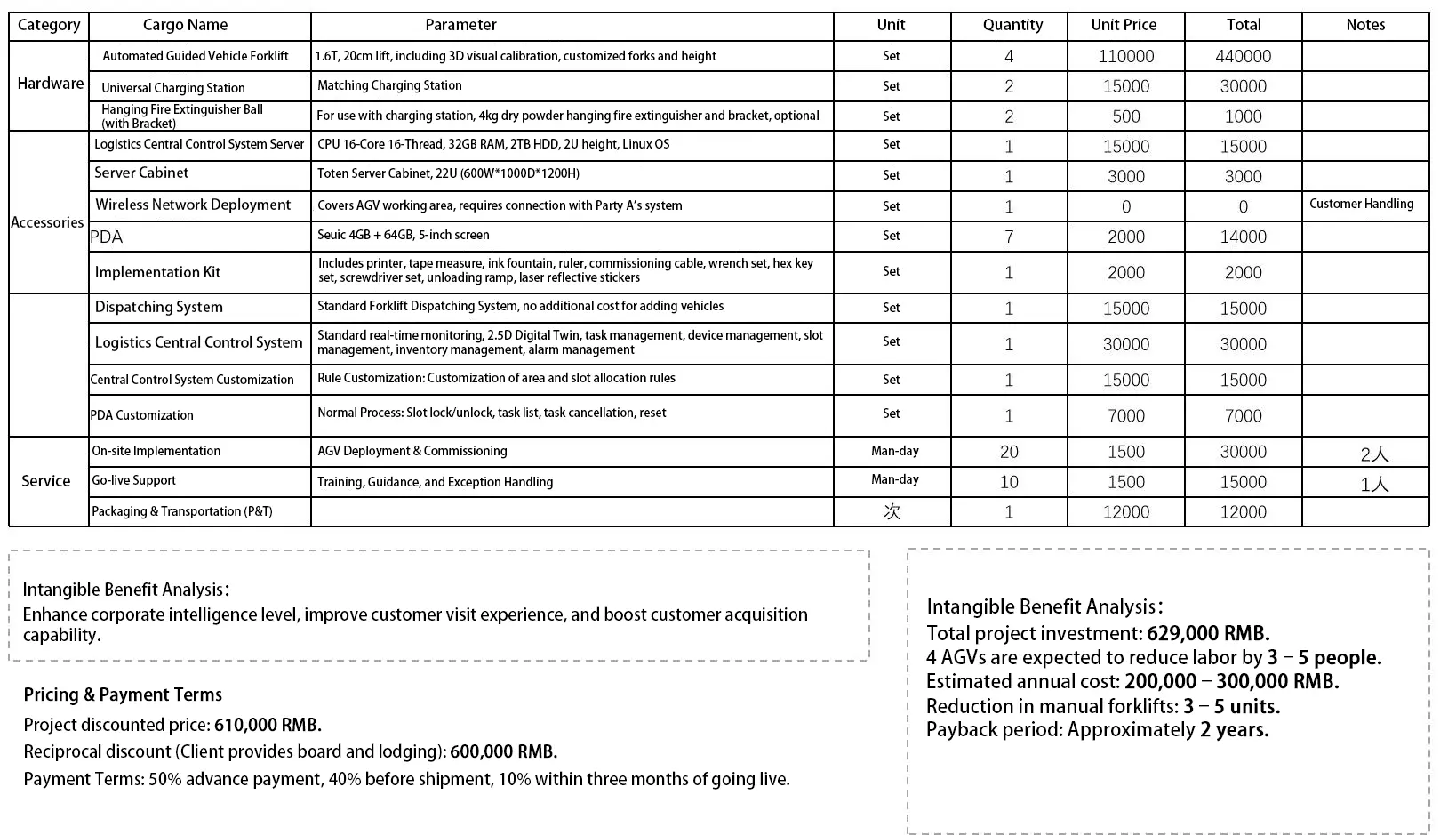
ROI Analysis
We estimate payback time by comparing total project cost with expected savings after go live.
Labor savings
Accuracy savings
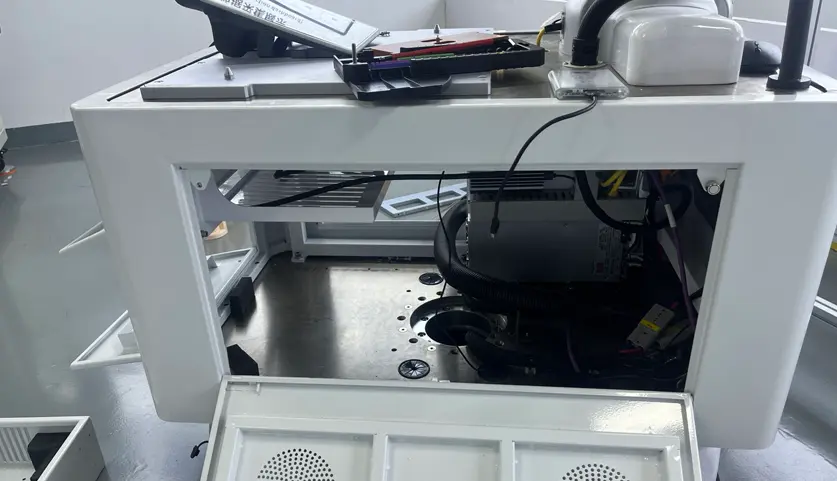
Engineering, Build, and Validation
After approval, we engineer the system around your site and workflows, covering:
Mechanical design
Electrical design
Software development
Commissioning
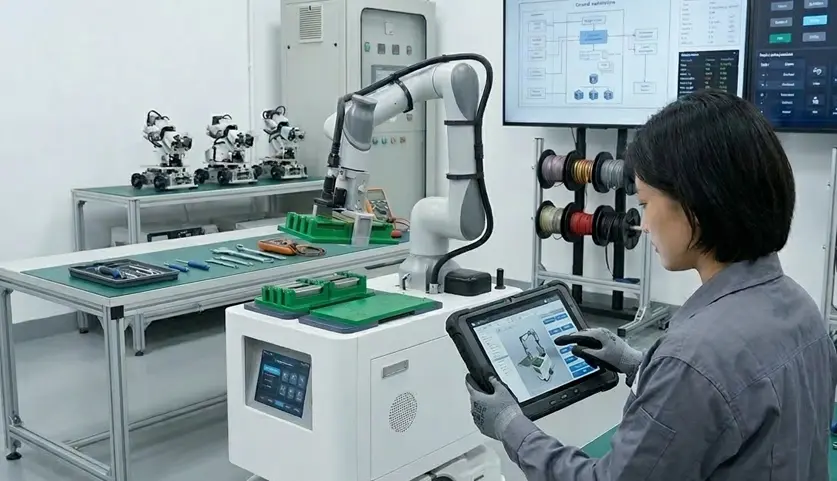
On Site Installation, Commissioning, and SAT
Our team installs the equipment on site, completes wiring and network integration, and commissions the system under real operating conditions. We then execute site acceptance testing to confirm performance against agreed metrics.
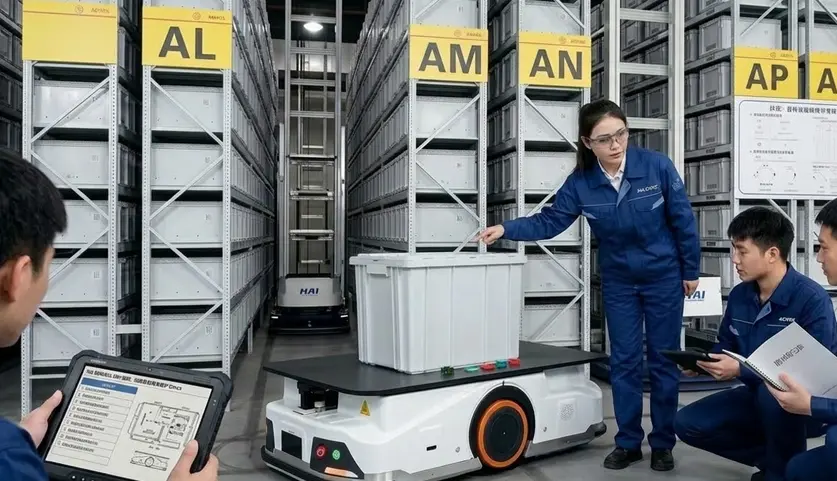
Training, Ramp Up, Acceptance, and Ongoing Support
After go live, we train your team, provide on site ramp up support:
Training
Ramp up (1 to 3 months)
Acceptance and support
Interested in our solutions?

- Automation Specialist
- - Hunter
— Contact our experts to learn more about Robotlyne’s warehouse automation solutions.
— See if your project is feasible fast. Get a clear scope, timeline, and Free ROI Analysis.